
Effective Study Strategies for Medical Exams: Evidence-Based Tips for Better Recall, Focus, and Exam Success
Introduction: Why Medical Exams Require a Smarter Study Strategy
Medical exams are not ordinary tests. They measure more than memorization. A strong medical student must understand concepts, recall facts quickly, apply knowledge to clinical scenarios, interpret patient information, and make safe decisions under pressure. That is why effective study strategies for medical exams must go beyond simply rereading notes or highlighting textbooks.
Many students work hard but still feel overwhelmed because they use passive study methods. They spend long hours reading lecture slides, rewriting notes, or watching videos without testing whether they can actually retrieve and apply the information. Medical exams reward active learning, consistent review, clinical reasoning, and disciplined preparation.
The best approach is not to study harder without structure. The best approach is to study smarter with a system. This guide explains evidence-based strategies that medical students, pre-med students, nursing students, health science learners, and online medical program students can use to prepare for exams with more confidence.
For online and hybrid learners, Fredash Education Hub’s article on How to Succeed in an Online Medical Program also provides useful guidance on time management, self-discipline, and digital learning success.
Quick Answer: What Is the Best Way to Study for Medical Exams?
The best way to study for medical exams is to combine active recall, spaced repetition, practice questions, concept mapping, exam-style review, clinical reasoning, and regular self-assessment. Students should create a realistic study schedule, review material in repeated intervals, test themselves often, analyze mistakes, and protect sleep and mental focus.
A strong medical exam study plan should include:
- Daily active recall
- Spaced repetition across several weeks
- Practice questions linked to exam objectives
- Error review after every quiz or mock exam
- Short summaries of high-yield concepts
- Case-based learning for clinical reasoning
- Weekly self-assessment
- Planned rest and sleep
- Final review without last-minute panic
The goal is not only to “cover” the syllabus. The goal is to remember, understand, and apply the material when the exam presents it in a new way.
Why Passive Studying Fails in Medical Exams
Passive studying feels productive because it keeps students busy. However, being busy is not the same as learning deeply.
Common passive habits include:
- Reading notes repeatedly
- Highlighting large sections of text
- Watching lectures without pausing
- Copying slides word for word
- Rewriting notes without testing recall
- Memorizing lists without understanding
- Reviewing only familiar topics
These methods may create a feeling of recognition. A student may look at a page and think, “I know this.” But exam success depends on retrieval, not recognition. In the exam room, the student must pull the answer from memory, connect it to a clinical situation, and choose the best option under time pressure.
This is why medical students need active strategies. You should regularly ask yourself: Can I explain this without looking? Can I answer a question about it? Can I apply it to a patient case? Can I identify why another answer choice is wrong?
1. Start with the Exam Blueprint
Before studying, understand what the exam is testing. Medical exams are usually built around learning objectives, course outcomes, organ systems, disciplines, competencies, or clinical tasks.
What to Review First
Start with:
- Course syllabus
- Learning objectives
- Lecture outcomes
- Exam format
- Past question style where available
- Practical or clinical requirements
- Faculty guidance
- Official exam resources
- High-yield topic list
- Weak areas from previous tests
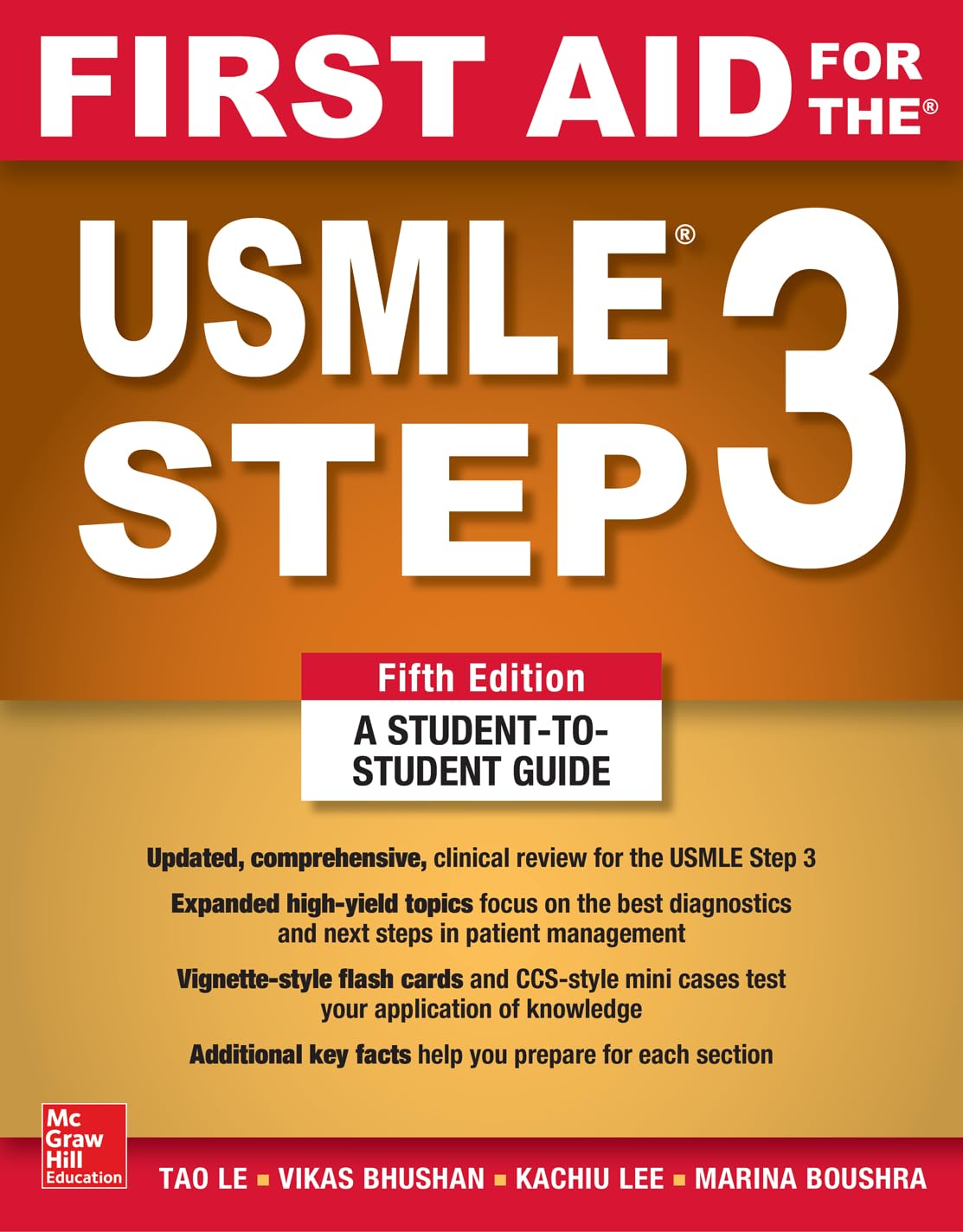
For standardized exams such as USMLE Step exams, students should review official exam content and practice materials from the exam provider. For school-based exams, students should study the learning objectives provided by their institution.
Real-World Example
A student preparing for a cardiovascular module should not only read every cardiology chapter randomly. The student should first list the exam objectives: cardiac physiology, ECG interpretation, heart failure, valvular disease, hypertension, pharmacology, and clinical presentations. Then the student should build a study plan around those objectives.
2. Use Active Recall Every Day
Active recall means testing yourself before looking at the answer. It forces your brain to retrieve information, which strengthens memory and exposes gaps.
How to Use Active Recall
You can use active recall by:
- Closing your notes and explaining a topic aloud
- Writing everything you remember on a blank page
- Answering flashcards
- Doing practice questions
- Teaching a concept to a friend
- Drawing a pathway from memory
- Creating your own questions after lectures
- Explaining why wrong answers are wrong
Example
Instead of rereading the renin-angiotensin-aldosterone system, close your notes and ask:
- What triggers renin release?
- What does angiotensin II do?
- How does aldosterone affect sodium and potassium?
- Which drugs affect this pathway?
- How does this pathway appear in hypertension or heart failure?
After answering from memory, return to your notes and correct mistakes. This approach is more powerful than simply reading the same paragraph again.



3. Apply Spaced Repetition Instead of Cramming
Spaced repetition means reviewing material at increasing intervals over time. Medical exams cover too much information for last-minute cramming to work well.
Simple Spaced Repetition Schedule
You can review new material using this pattern:
- First review: same day
- Second review: next day
- Third review: 3 days later
- Fourth review: 1 week later
- Fifth review: 2 weeks later
- Final review: before the exam
This pattern helps move information from short-term memory into long-term memory.
What to Space
Use spaced repetition for:
- Anatomy facts
- Drug mechanisms
- Microbiology features
- Biochemistry pathways
- Diagnostic criteria
- Clinical signs
- Key definitions
- Normal values
- Disease comparisons
- Treatment principles
Practical Tip
Do not make flashcards for every sentence. Focus on high-yield details, confusing concepts, common exam traps, and facts you repeatedly forget.
4. Practice Exam-Style Questions Early
Many students wait until the final week to start practice questions. That is a mistake. Practice questions should begin early because they show how knowledge is tested.
Why Practice Questions Matter
Practice questions help you:
- Identify weak areas
- Learn exam wording
- Improve recall speed
- Build clinical reasoning
- Recognize distractors
- Practice time management
- Reduce exam anxiety
- Turn mistakes into feedback
How to Review Practice Questions
After each question, ask:
- Why is the correct answer correct?
- Why is my answer wrong?
- What clue did I miss?
- What concept is being tested?
- Which topic should I review?
- How would the question change if symptoms or lab values were different?
Real-World Example
A student misses a question about diabetic ketoacidosis because they confused it with hyperosmolar hyperglycemic state. Instead of just memorizing the answer, the student should create a comparison table covering glucose level, ketones, acidosis, dehydration, mental status, and treatment priorities.
5. Build a Medical Exam Study Timetable
A timetable keeps your study organized and prevents panic. Medical exam preparation should be planned around topics, not just hours.
Weekly Study Structure
A strong weekly plan may include:
- 3–5 days of new topic review
- Daily flashcard or active recall practice
- 2–3 blocks of practice questions
- 1 weekly mock quiz
- 1 session for weak areas
- 1 session for summary review
- Regular breaks and sleep
Daily Study Block Example
A 3-hour study block may look like this:
- 30 minutes: review learning objectives
- 45 minutes: active recall from previous topic
- 45 minutes: new topic review
- 30 minutes: practice questions
- 20 minutes: error review
- 10 minutes: quick summary
The exact timing can change, but every study block should include retrieval and feedback.
6. Use Concept Maps for Complex Systems
Concept maps help students connect ideas. They are useful in medicine because diseases, symptoms, anatomy, physiology, pathology, and treatment often overlap.
Best Topics for Concept Mapping
Concept maps work well for:
- Shock
- Heart failure
- Kidney disease
- Acid-base disorders
- Endocrine pathways
- Infectious disease
- Pharmacology mechanisms
- Immunology
- Neurology lesions
- Differential diagnosis
Example
For anemia, create a concept map that connects:
- Microcytic anemia
- Normocytic anemia
- Macrocytic anemia
- Iron studies
- Vitamin B12 deficiency
- Folate deficiency
- Hemolysis
- Chronic disease
- Clinical signs
- Laboratory findings
This helps you answer both direct knowledge questions and case-based questions.
7. Study by Systems, Then Mix Topics
Studying by system helps build understanding. For example, you may study cardiovascular physiology, pathology, pharmacology, and clinical signs together. After building a foundation, you should mix topics through interleaving.
What Interleaving Means
Interleaving means mixing related topics so your brain learns to choose the right concept, not just repeat the last thing studied.
For example, instead of doing 50 questions only on asthma, mix questions on asthma, COPD, pneumonia, pulmonary embolism, and heart failure. This trains clinical reasoning because real exams often test similar conditions together.
Why It Helps
Medical exams often ask you to identify the best answer among similar options. Interleaving helps you compare diseases and avoid confusing conditions.
8. Use the “Teach-Back” Method
Teaching is a powerful way to expose weak understanding. If you cannot explain a concept simply, you probably need to review it again.
How to Use Teach-Back
Choose a topic and explain it as if teaching a junior student:
- Define the condition
- Explain the cause
- Describe the pathophysiology
- List key signs and symptoms
- Explain diagnosis
- Explain treatment
- Mention common exam traps
Example
Teach “myocardial infarction” in five minutes. Explain risk factors, plaque rupture, ECG changes, cardiac biomarkers, complications, and first-line management principles. Then check your explanation against trusted notes.
This method works well for study groups.
9. Create an Error Log
An error log is one of the most underrated medical exam tools. It helps students stop repeating the same mistakes.
What to Record
For every missed question, write:
- Topic
- Question type
- Correct answer
- Your wrong answer
- Reason for mistake
- Key learning point
- Action step
Common Mistake Categories
Your mistake may come from:
- Knowledge gap
- Misread question
- Confusing similar diseases
- Poor time management
- Weak pharmacology
- Missed lab value
- Overthinking
- Not knowing diagnostic criteria
How to Use the Error Log
Review your error log every week. If the same mistake appears repeatedly, make it a priority topic.
10. Learn High-Yield Pharmacology Strategically
Pharmacology is challenging because it combines mechanisms, indications, contraindications, side effects, interactions, and clinical use.
How to Study Drugs
Group drugs by class:
- Mechanism of action
- Main clinical use
- Major side effects
- Contraindications
- Toxicity
- Important interactions
- Monitoring requirements
Example
For beta blockers, study:
- Receptor effect
- Uses in hypertension and heart disease
- Side effects such as bradycardia
- Contraindications and cautions
- Differences between selective and non-selective agents
Avoid memorizing random drug lists without clinical context.
11. Protect Sleep, Nutrition, and Focus
Medical students often sacrifice sleep during exam season. This can harm attention, memory, mood, and performance. Studying all night may feel productive, but poor sleep can reduce the quality of recall and reasoning.
Healthy Exam Habits
Protect your performance by:
- Sleeping consistently
- Avoiding all-night cramming
- Eating balanced meals
- Drinking enough water
- Taking short breaks
- Moving your body daily
- Reducing distractions
- Keeping a realistic schedule
- Asking for help early
This is not about perfection. It is about maintaining the brain and body you need for learning.
12. Prepare for the Exam Day Environment
Studying content is only part of exam success. You also need to prepare for the test environment.
Exam Day Checklist
Before exam day:
- Confirm date and time
- Know the exam format
- Check required ID or login details
- Test your device if online
- Prepare permitted materials
- Sleep early
- Eat a light meal
- Arrive or log in early
- Read instructions carefully
- Manage time per question
For online exams, test your internet, webcam, microphone, browser, charger, and backup plan in advance.
13. Use a Final 7-Day Revision Plan
The final week should be for review, not panic learning. Avoid trying to learn an entire course from scratch.
Final Week Plan
Day 7–6: Review high-yield topics and weak areas
Day 5: Complete a timed practice test or question block
Day 4: Review mistakes and update summaries
Day 3: Revise diagrams, pathways, drugs, and disease comparisons
Day 2: Do light active recall and review error log
Day 1: Rest, organize materials, and review only key summaries
Exam Day: Stay calm, read carefully, and pace yourself
Common Medical Exam Mistakes to Avoid
Avoid these mistakes:
- Rereading without testing yourself
- Starting practice questions too late
- Ignoring learning objectives
- Studying only favorite topics
- Making too many flashcards
- Skipping error review
- Cramming the night before
- Neglecting sleep
- Studying without breaks
- Comparing your pace too much with others
- Using too many resources at once
A focused plan with fewer, better resources is usually stronger than collecting every book, app, video, and question bank.
Best Resources for Medical Exam Preparation
Useful resources may include:
- Official exam content guides
- School lecture objectives
- Recommended textbooks
- Practice question banks
- Flashcard systems
- Clinical case books
- Anatomy atlases
- Pharmacology summaries
- Peer study groups
- Faculty office hours
- Academic support services
Students preparing for online or hybrid medical programs may also benefit from Fredash Education Hub’s articles on How Online Medical School Programs Work, The Role of Clinical Rotations in Online Medical Programs, and Preparing for Online Medical School Interviews.
Summary
Effective study strategies for medical exams include active recall, spaced repetition, practice questions, error review, concept mapping, teach-back learning, interleaving, and structured revision. Students should start with the exam blueprint, study in repeated intervals, practice with exam-style questions early, and track mistakes carefully. Medical exam success also depends on sleep, focus, time management, and avoiding passive study habits such as rereading and highlighting without retrieval. A strong study plan helps students remember, understand, and apply medical knowledge in both written exams and clinical situations.
Conclusion: Study for Understanding, Recall, and Application
Success in medical exams is not about memorizing everything at once. It is about building a reliable system that helps you understand concepts, recall facts, apply knowledge, and improve from mistakes.
The most effective students do not simply read more. They test themselves more. They review at spaced intervals. They practice clinical questions. They analyze errors. They protect sleep and focus. They use feedback to improve.
Medical education is demanding, but it becomes more manageable when your study strategy is structured and evidence-based. Start early, use active recall, review consistently, practice questions often, and treat every mistake as a guide to your next improvement.
With the right approach, medical exams become less overwhelming and more predictable. You may not control every question on the test, but you can control how well you prepare.
Frequently Asked Questions (FAQ)
What is the best study method for medical exams?
The most effective approach combines active recall, spaced repetition, practice questions, and regular error review. Together, these strategies strengthen long-term memory while helping you apply concepts in exam-style scenarios.
How many hours should I study for medical exams?
There is no ideal number of study hours for everyone. Focus on consistent, high-quality study sessions, regular revision, and completing practice questions rather than simply tracking the number of hours you study.
Is active recall effective for medical students?
Yes. Active recall strengthens memory by requiring you to retrieve information without looking at your notes. This technique improves retention and prepares you for exams that demand quick recall and clinical reasoning.
How does spaced repetition help with medical exams?
Spaced repetition schedules reviews over increasing intervals instead of cramming. This approach improves long-term retention, reduces forgetting, and makes revision more efficient throughout the academic year.
Should I use flashcards for medical exams?
Yes. Flashcards are particularly useful for memorizing anatomy, physiology, pharmacology, diseases, clinical features, and medical terminology. They are most effective when combined with conceptual understanding and practice questions.
How can I stop forgetting what I study?
Review material regularly using spaced repetition, practice active recall, complete exam-style questions, maintain a weekly revision schedule, and prioritize adequate sleep since memory consolidation occurs during sleep.
Are practice questions better than rereading notes?
In most cases, yes. Practice questions improve retrieval, critical thinking, and application of knowledge. Rereading notes can reinforce understanding, but it should supplement—not replace—active learning techniques.
How should I revise during the final week before a medical exam?
Focus on reviewing high-yield topics, completing timed practice questions, revisiting your error log, and studying concise summaries. Avoid beginning large new topics during the final days before the exam.
What should I do after failing or performing poorly on a medical exam?
Analyze your mistakes, identify knowledge gaps or ineffective study habits, seek feedback from instructors or academic advisors, revise your study strategy, and prioritize active learning methods over passive rereading.
How can online medical students prepare effectively for exams?
Create a consistent study schedule, test your technology well before exam day, participate in online study groups, practice active recall, complete regular question banks, and communicate with instructors early if you have concerns.
Author
Wiredu Fred is an education and healthcare content writer at Fredash Education Hub. His work focuses on online medical education, healthcare career pathways, accreditation, clinical training, digital health, study success, and student readiness. His writing emphasizes clear explanations, verified sources, practical guidance, and responsible education advice for healthcare learners.
